
Manchester United, ticket price rises and deciphering the strategy
Published on Saturday, 7 March 2026 at 4:06 am
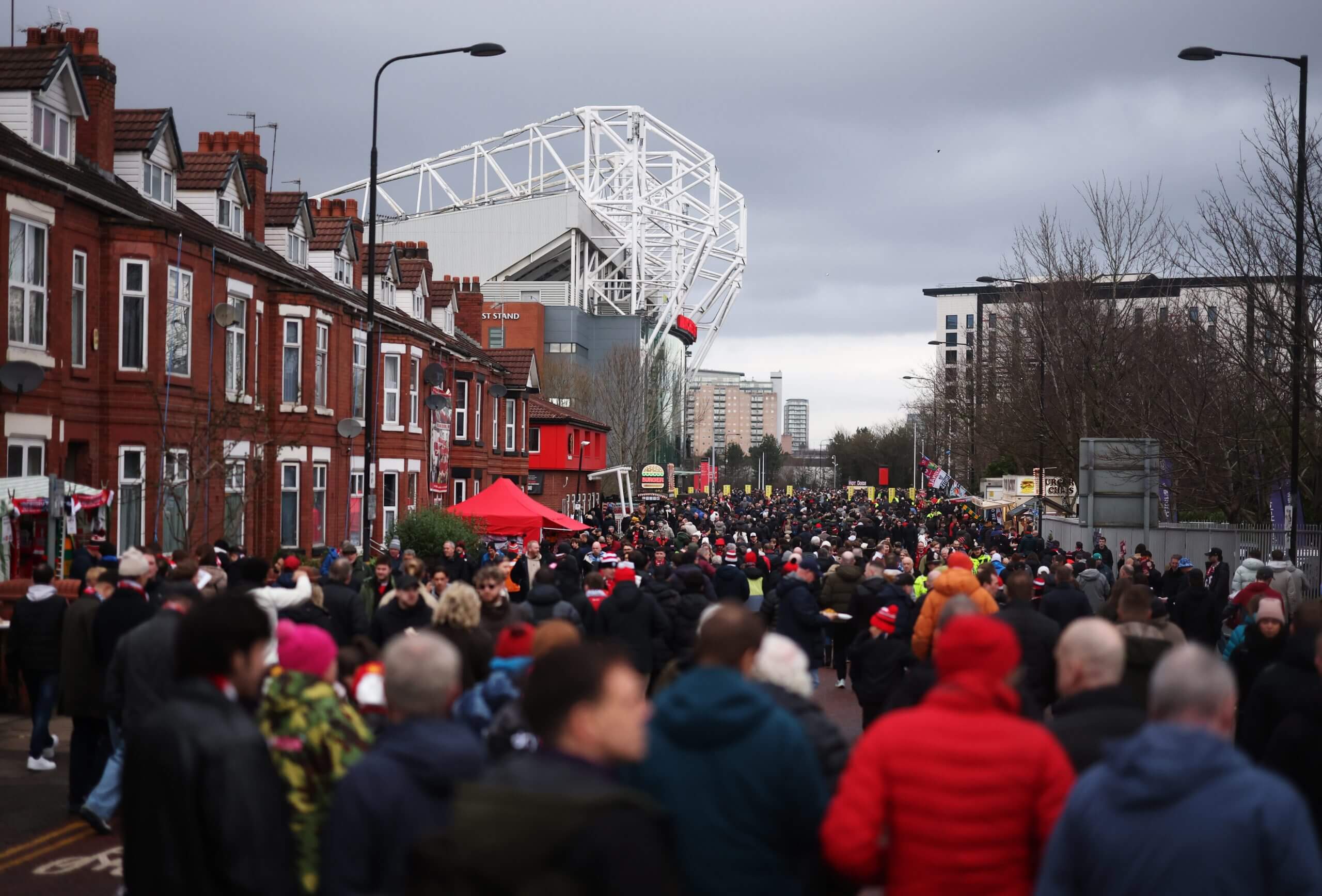
Manchester United have offset the absence of European football and a sharp reduction in home cup ties by squeezing an extra £2 million out of every matchday, lifting average revenue per game from £5.5 million last season to £7.57 million in 2024-25. The increase, achieved through a 3.6 per cent dip in overall match-day income despite 33 per cent fewer fixtures, is the clearest signal yet of the club’s intent to monetise every seat inside Old Trafford.
The headline figures, buried deep in the club’s latest quarterly accounts, reveal a two-pronged strategy: expand the executive footprint and make casual attendance significantly more expensive. More than 600 new executive seats have been installed around the dug-outs, an area that now commands up to ten times the price of a general admission ticket for marquee fixtures. A further 500-600 seats in the main stand will be converted next season, forcing long-term season-ticket holders to relocate elsewhere in the 74,000-capacity stadium.
Season-ticket holders, who occupy roughly 47,000 seats, remain relatively insulated. A lower-tier Stretford End pass costs £608 this year, or £32 per Premier League game, rising £2 next term. Upper-tier equivalents will be £45 per game, while seats in the W2 section between the Stretford End and the Sir Bobby Charlton Stand will be £46. The club has confirmed a third successive five per cent increase, outstriing the UK’s three per cent inflation rate, yet the real price inflation is aimed at non-season-ticket holders.
General admission tickets for members have jumped sharply. The cheapest adult ticket for April’s Monday-night visit of Leeds United is £63, with concessions at £47.25 for over-66s and 18-20s, and £31.50 for under-17s. Next season’s average across all general admission tickets is expected to be £46.51, but the figure masks a new five-tier fixture categorisation. Liverpool, Arsenal, Manchester City and four other Category A opponents will push the top adult ticket to £97, while Category D applies only to cup ties such February’s FA Cup third-round defeat by Brighton.
United say the model mirrors Barcelona’s: season-ticket holders who attend every match pay far less than those who dip in and out. The club’s waiting list for season tickets remains long, and every league fixture is a sell-out, even when Erik ten Hag’s side finished 15th last term. That demand has emboldened commercial bosses to push revenues without alienating the core fanbase.
Inside the supporter community, unease is growing. Ian Byrne, the Labour MP for Liverpool West Derby, tabled an early-day motion this week warning of “serious concerns” over unchecked price rises and urging clubs to consult supporter groups. United’s Fans’ Advisory Board and the Manchester United Supporters’ Trust pressed the club to freeze prices, citing the economic climate. While headline increases were unavoidable, fans did claw back concessions on several fronts: the required attendance for season-ticket holders will remain 16 games, not 17 as proposed; away-match ticket collection points will return if United qualify for Europe; and the club will again publish data on ticket allocations.
Executive patrons face a five per cent rise unless they renew before an unspecified deadline. Many already feel short-changed: their flat-rate packages include no extra fee for cup ties, and only one came to Old Trafford this season compared with ten last year.
United executives privately argue that Premier League peers are moving in lockstep. Newcastle will raise season-ticket prices by five per cent next season, while Arsenal charged £145 for a Category A seat in January. Only away tickets are immune: the £30 away cap remains league-wide.
The gamble is paying off for now. Match-day income has remained robust despite the team’s continental exile, and a return to European competition next season would add lucrative mid-week revenue. Yet the margin for error is shrinking: fans without season tickets are paying double-digit increases, and 1,100 long-term seat holders will be relocated inside a stadium already under scrutiny for its ageing infrastructure.
As United balance the books, the message from Old Trafford is clear: every seat is a revenue stream, and the cost of missing out on Europe is being passed to those who pick and choose their games.
SEO Keywords:
LiverpoolKeywords: Manchester United ticket pricesOld Trafford revenueexecutive seats expansionseason ticket rise 2025-26match categorisationfan opposition ticket costsPremier League ticket inflationMUFC matchday incomeaway ticket capFans Advisory Board MUST lobbying
Source: theathleticuk


