
**Manchester United in Transition: Amorim's Challenges and the Red Devils' Future**
Published on Sunday, 20 July 2025 at 11:20 pm
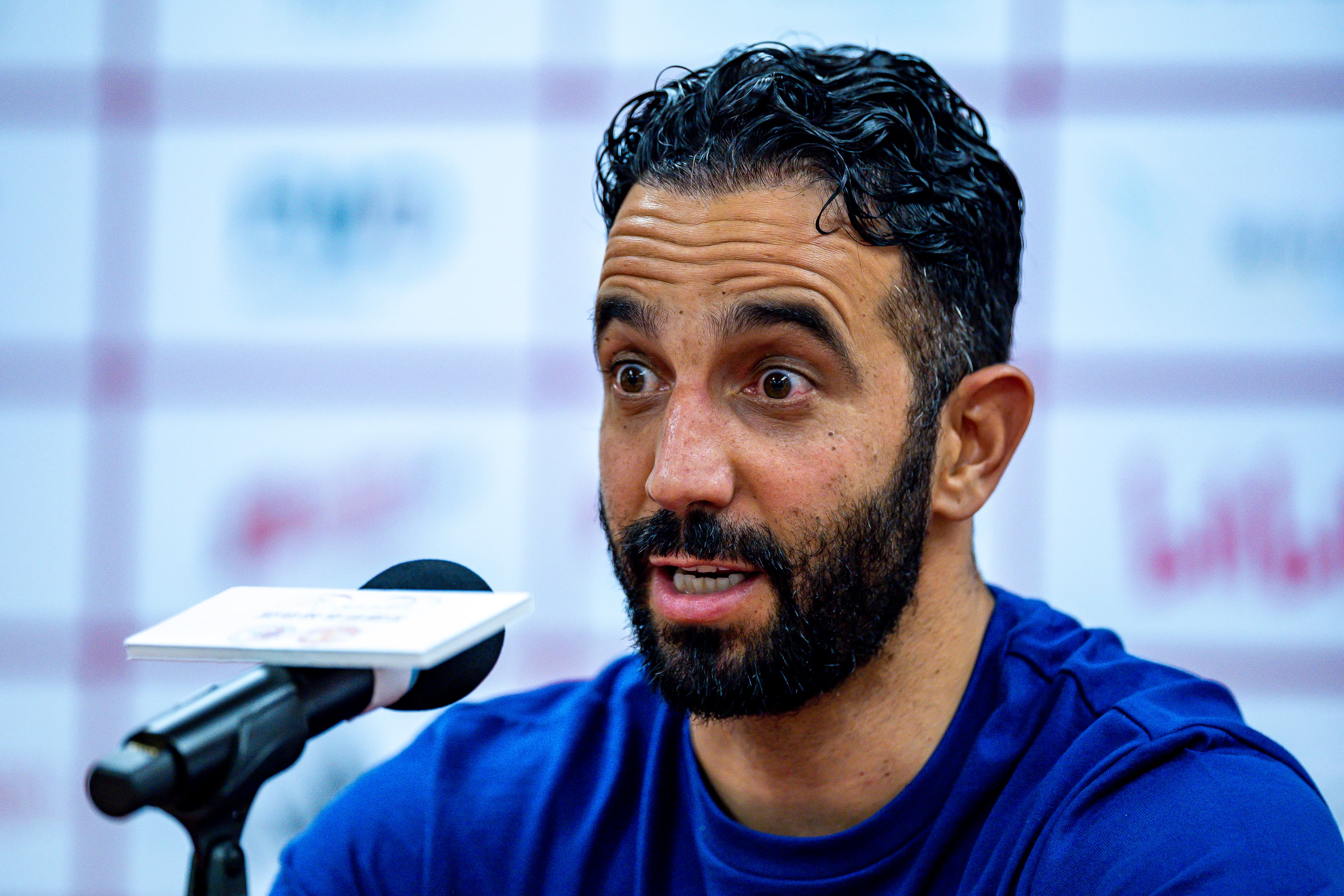
The air surrounding Manchester United seems thick with expectation, analysis, and a healthy dose of uncertainty, particularly concerning their manager, Ruben Amorim. While the Red Devils posted improved metrics in their recent Premier League opener against Newcastle United – boasting a higher average market value, potentially higher wages paid on the pitch, and seemingly more firepower across a wider squad depth – the focus is inevitably shifting to whether these investments translate into consistent performances and results that satisfy the club's demanding fanbase.
Former managers and pundits are chiming in with familiar narratives when assessing new regimes. A seasoned figure, recalling Amorim's time at Molde FK, highlighted a critical aspect of his leadership: his remarkable resilience and strategic neutrality amidst intense pressure. According to this source, Amorim possesses a rare quality – the ability to maintain his composure even when results are not immediate, refusing to succumb to panic tactics or external pressures. This characteristic stands in stark contrast to the swift managerial exits often seen in the high-stakes world of football, particularly at a club of Manchester United's stature.
However, the report also notes a surprising admission regarding Amorim's perspective on his own position. When asked about potential future job changes, Amorim is allegedly quoted (in a paraphrased and rigorous translation provided by the source) as saying, "It would be a situation of course that I would accept." This statement, emerging from a different cultural and footballing environment, can be interpreted in two ways. On the surface, it speaks to a pragmatic acceptance of his role and a willingness to contribute regardless of the pressure. Delve deeper, however, and it might suggest a level of internal forum fatigue that signals he would step aside definitively if an untenable situation were presented to him. The phrase used by his former comrade, "a good shot," further complicates matters – does this mean he requires a definitive mandate or a significant window to prove his methods, or does it simply mean the club has provided him with an opportunity?
This isn't a simple endorsement. Instead, it seems to reflect that Amorim operates on his own demanding terms. Unlike managers who might seek decisive backing from investors or the board shortly after arrival, Amorim requires his own evaluation period, allowing tactical adjustments, squad bed-in, and results to gradually convince him and those around him. The mentioned "good shot" could signify that period, suggesting that in his new role, he feels he has received sufficiently robust support and backing initially – not necessarily a guarantee of permanence, but enough ammunition to push forward with his vision.
The irony for Manchester United lies in this calculus. The club desperately needs coherent footballing philosophy and tactical clarity, traits often associated with managers with strong convictions and decisive leadership. While Amorim’s refusal to buckle under pressure is commendable, it can also breed frustration if progress isn't visible month by month. The summer recruitment, while strengthening the squad in volume and quality for this stage, has perhaps under-emphasized the long-term positional stability – the "brain, not just the brawn," as a footballing insider suggested. Amorim's job, and the club's job, is to embed a sustainable system where players translate possession and individual skill into consistent team performance.
The upcoming fixtures against Leicester City, Wolves, and Crystal Palace will be crucial. They will provide a clearer picture of Amorim's tactical intelligence in implementing his preferred style and whether his players are ready to execute it. Crucially, fans and observers will look for tangible signs that the potential "good shot" delivered by the club is yielding dividends. If United's performances are inconsistent or lack a definitive identity beyond attacking intent, the patience, however measured, of both management and supporters could wear thin, potentially leading to the very exit Amorim appeared to concede is part of his operational lexicon. Clubs send managers or replace them based on sustained failure to meet expectations, not merely anecdotal comments about personal terms.
In conclusion, Ruben Amorim arrives wearing two contrasting labels: one, a badge of having been broadly fair and resilient under pressure, potentially even content with his own employment if circumstances align; the other, the mantle of being judged by his results and the impact of his strategies within a defined timeframe. Manchester United’s monumental task is not just to manage these perceptions, but to insert him quickly into a recognizable framework, ensuring his "terms" translate into tangible success on the pitch. The summer's ambition fuels hope, but it is performance that ultimately dictates the narrative, whether it involves Ruben Amorim or his successor.
SEO Keywords:
Manchester United summer transfersRuben Amorim quotesmanager stabilityfootball manager quotesdeadline daytactical interpretationPremier League pressureRuben Amorim assessmentManchester United performancefootball recruitment analysis
Source: fourfourtwo

