
How Wales and Poland can turn this year's Euros debut into a reoccurring affair
Published on Monday, 21 July 2025 at 12:26 am
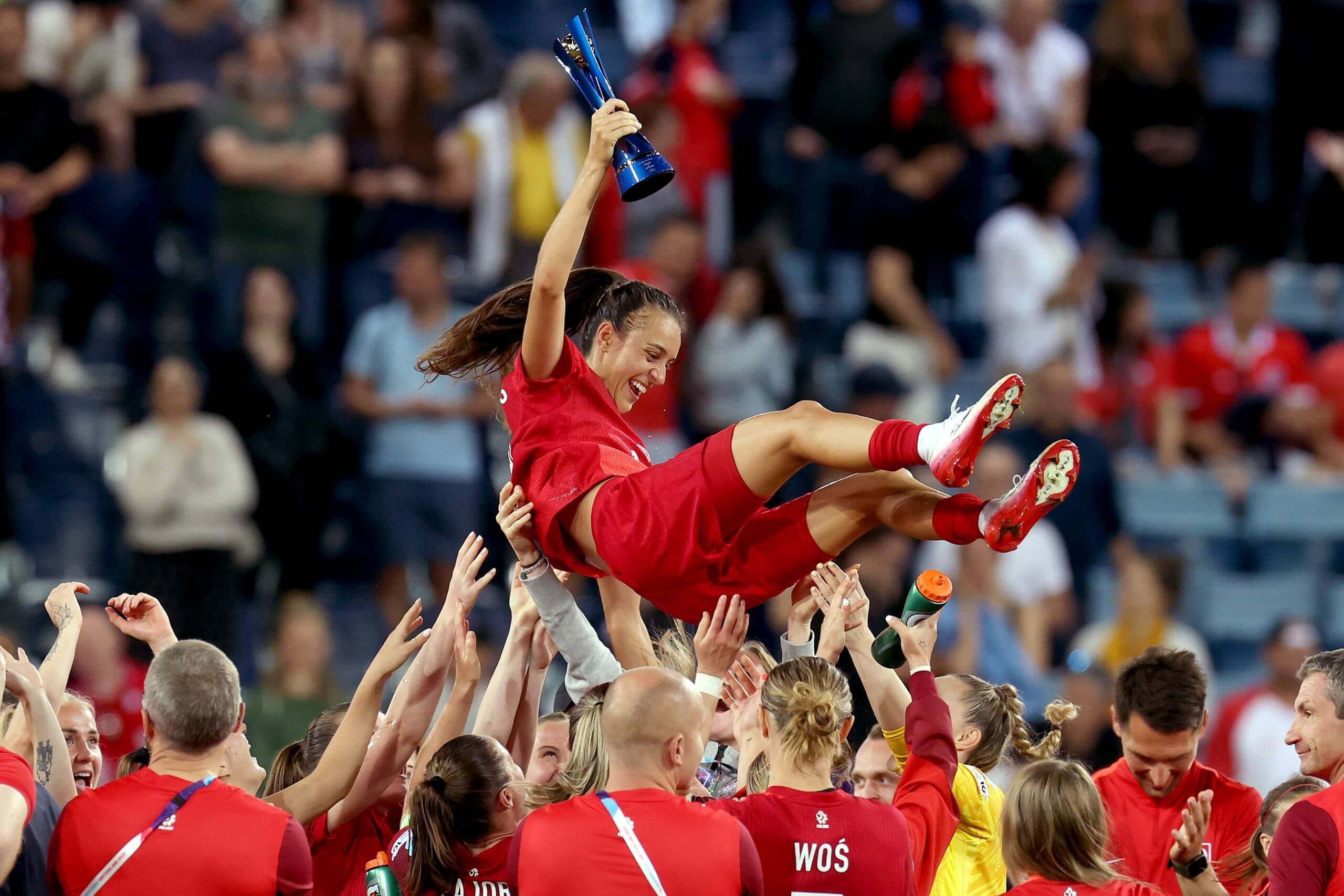
For nations like Wales and Poland, securing a spot at a major international tournament like the UEFA European Championship is a monumental achievement, often the culmination of years of development, a favourable draw, and a touch of golden generation magic. The roar of the crowd, the national pride, and the global spotlight are intoxicating rewards. Yet, the true test of a footballing nation's progress isn't just making it to the big stage once, but establishing themselves as a consistent presence. The challenge now for both the Dragons and the White and Reds is to leverage their Euro 2024 qualification into a springboard for sustained relevance, transforming a celebrated appearance into a regular fixture.
The inherent difficulties facing less-established footballing nations are multifaceted. They typically operate with smaller player pools compared to traditional powerhouses, limiting their depth and resilience to injuries. Financial resources, while boosted by tournament participation, are still dwarfed by those of the game's elite. Furthermore, the global football landscape is intensely competitive, with numerous countries vying for a limited number of qualification spots. Historically, some nations have enjoyed a fleeting moment in the sun, only to recede into the shadows in subsequent cycles. The key for Wales and Poland lies in understanding that this qualification is not an end in itself, but a crucial inflection point that demands strategic, long-term planning to avoid such a fate.
One of the most critical pillars for sustained success is a robust, well-funded youth development system. This means investing heavily in grassroots football, ensuring high-quality coaching at all levels, and establishing clear pathways from youth academies to the senior national team. Both the Welsh FA and the Polish FA must identify and nurture talent from a young age, providing them with the best possible training environments and competitive exposure. Developing a consistent playing philosophy across all age groups, from U15s to the senior squad, can also create a seamless transition for young players, ensuring tactical familiarity and collective understanding. Furthermore, strengthening domestic leagues can provide a vital platform for home-grown talent to gain crucial experience before potentially moving abroad, ensuring a steady stream of ready-made international players.
Beyond player development, leveraging the commercial and inspirational benefits of Euro 2024 will be paramount. The prize money received from participation, alongside increased sponsorship opportunities and a boost in national interest, offers a unique chance for reinvestment. These funds should be shrewdly allocated towards infrastructure improvements, advanced sports science facilities, and continued coaching education. The tournament itself provides an unparalleled shop window for players, potentially leading to transfers to higher-level clubs, which in turn elevates their individual game and benefits the national team. Moreover, seeing their heroes compete on the grandest stage can inspire a new generation of children to take up the sport, widening the talent pool for years to come. By building a stronger brand, improving FIFA rankings, and attracting higher-calibre friendly opponents, both Wales and Poland can systematically enhance their standing in international football, making future qualification campaigns less arduous and their presence at major tournaments a more reoccurring affair.
SEO Keywords:
UEFA European ChampionshipEuro 2024Wales footballPoland national teamfootball developmentyouth academiesnational team qualificationsustained successgrassroots footballfootball investmentplayer pathwaysfootball strategy
Source: theathleticuk

