Why Avram Glazer’s billion-dollar pursuit of Indian cricket power makes perfect business sense
Published on Thursday, 12 February 2026 at 5:12 pm
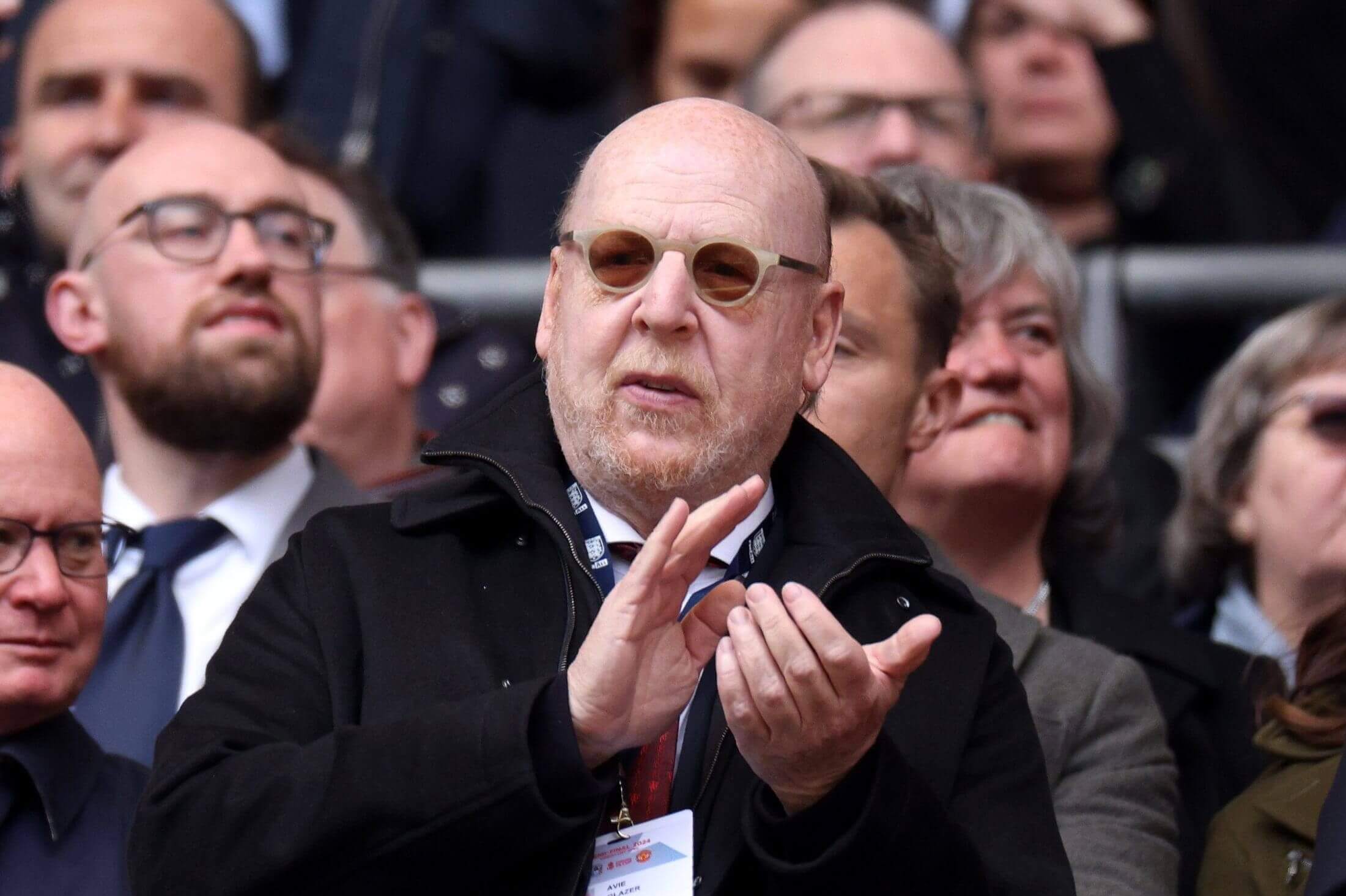
Avram Glazer is no stranger to headline-grabbing price tags, and the numbers now swirling around the Indian Premier League suggest he may finally be ready to land one. Reports from Mumbai last week place the Manchester United co-owner among the leading bidders for both the Rajasthan Royals and Royal Challengers Bengaluru, franchises that could command $1.2 billion and $1.8 billion respectively. If successful, Glazer would add a trophy asset in the world’s fastest-growing major sport to a portfolio that has already delivered a 400 per cent appreciation on the £790 million the Glazer family paid for United in 2005.
The timing is no accident. Since 2019, when he first explored entry into the IPL, Glazer has methodically circled cricket’s most lucrative league, missing out on expansion teams that ultimately sold for a combined $1.7 billion in 2021. Rather than retreat, he pivoted—acquiring the Sharjah-based Desert Vipers for $30 million in 2022 and attempting to buy into English cricket’s Hundred competition last year. Those moves, while smaller, kept him inside the sport’s increasingly Americanised ownership club that already includes Todd Boehly and Tom Wagner.
Industry analysts say the attraction is obvious. “The IPL is the biggest shooting star in global sport right now,” says Gareth Balch, CEO of analytics firm Two Circles. Franchise valuations have multiplied ten-fold since 2008, powered by a $1.2 billion annual domestic media-rights deal that is expected to rise sharply when it is re-tendered next year. Clubs share that income equally, operate under a strict player-salary cap and face no threat of relegation—mirroring the closed-league, cost-certainty model American investors prize in the NFL.
India’s macro-economics add rocket fuel. The country overtook China as the planet’s most populous nation in 2023, boasts 1.47 billion residents and a top-five global economy. Cricket is woven into daily life; no other sport registers in the national consciousness. “Demographics are destiny,” Balch notes. “There are more cricket fans in India than any other country has people.”
That scale creates a moat. Start-up costs for a new IPL team would be prohibitive, and no rival league can match the tournament’s broadcast reach or commercial pull. “Your risk of disruption is almost zero,” says Amber Pinto, partner at Pinto Capital. Oakwell Sports Advisory projects average franchise revenue will top $150 million by 2031, double today’s figure, as India’s middle class expands and digital platforms bid for rights.
American investors also spy a domestic angle. The south-Asian diaspora in the United States—many in high-paying tech jobs—has pushed cricket into the mainstream conversation. T20’s inclusion in the 2028 Los Angeles Olympics, championed by an ICC heavily influenced by India’s board, will only accelerate that trend. “Cricket is the second-biggest sport on earth and yet has hardly penetrated the U.S. market. But it will,” insists Andrew Umbers of Oakwell.
For Glazer, the appeal is threefold: a league with NFL-style economics, a demographic tailwind in India and an untapped frontier at home. Having already extracted an estimated £1.4 billion in dividends and asset sales from Manchester United while retaining control of a club now valued near £5 billion, he has the liquidity and the template. Whether he ultimately lands the Royals or the more expensive Royal Challengers, the bet is the same: Indian cricket’s trajectory still points steeply upward, and the window to board the rocket may be narrowing.
SEO Keywords:
IPLAvram GlazerManchester UnitedIndian Premier LeagueRajasthan RoyalsRoyal Challengers Bengalurucricket investmentT20 cricketsports franchise valuationAmerican investors in cricketIPL media rightsIndia sports market
Source: theathleticuk