Why are Brazilian teams doing so well at Club World Cup?
Published on Friday, 4 July 2025 at 7:19 pm
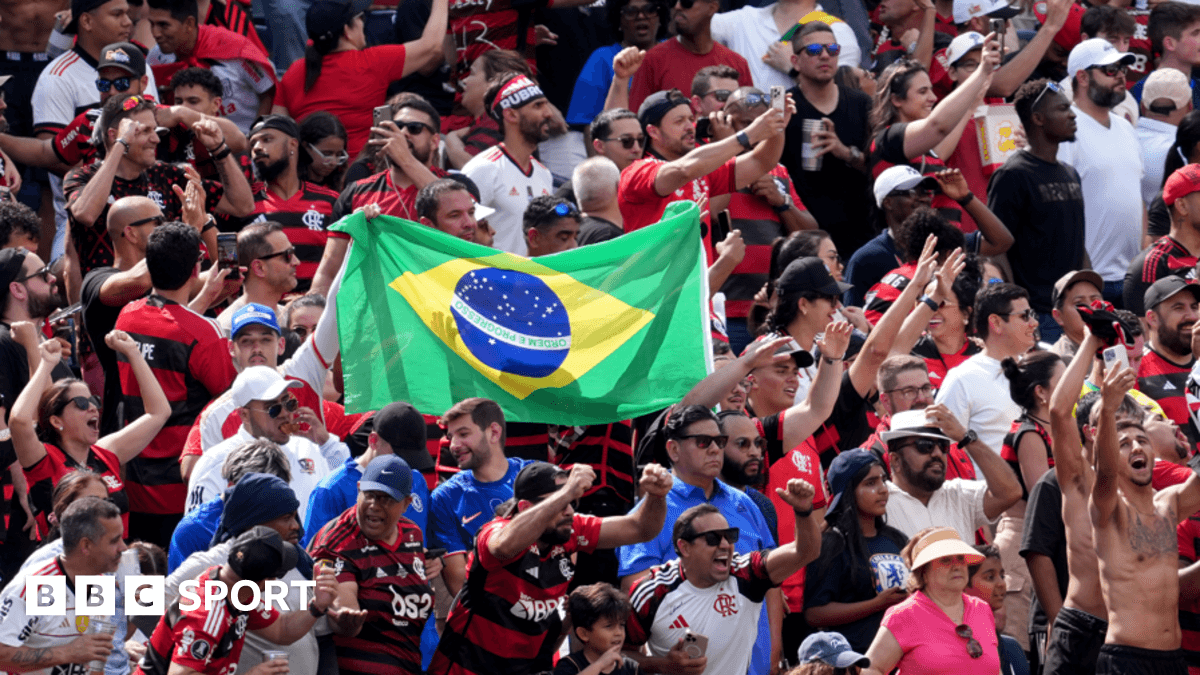
The recent FIFA Club World Cup has unfolded as a powerful testament to the enduring strength and strategic evolution of Brazilian club football. An unprecedented four Brazilian teams navigated their way into the last-16 stage of the prestigious global tournament, a feat that has sent ripples of intrigue through the international football community. This collective display of prowess is not merely a statistical anomaly; it underscores a deeper narrative about the financial resilience, tactical sophistication, and sheer depth of talent currently thriving within the Brasileirão and Copa Libertadores ecosystems.
This dominance isn't simply about individual brilliance, though Brazilian football remains synonymous with flair. It speaks to a concerted effort by South America’s leading clubs to professionalize operations, invest in infrastructure, and, crucially, retain their top domestic talents. Many Brazilian powerhouses now possess the financial muscle to resist the immediate pull of European transfer windows, allowing them to build cohesive, experienced squads that can compete on a global scale. Furthermore, the intense competitive environment of the Copa Libertadores, often described as the most challenging club competition in the world, hones a unique blend of technical skill, tactical discipline, and a gritty winning mentality that serves them well on the world stage. These clubs arrive at the Club World Cup not just as participants, but as genuine contenders, ready to challenge the established European order.
The impressive showing of these four Brazilian giants naturally prompts a pivotal question: what does this widespread club success mean for the Brazil national team’s chances at the 2026 World Cup? While the Seleção’s squad will always feature a significant contingent of players plying their trade in Europe’s elite leagues, the vibrancy of the domestic game is an undeniable asset. It ensures a robust pipeline of talent, providing a high-level competitive environment for players who may not yet be in Europe but are still of international quality. This domestic strength fosters tactical innovation and a winning culture, components that are vital for any national team aspiring to global supremacy. The performances at the Club World Cup suggest that Brazilian football, from its grassroots to its elite clubs, is in rude health, offering a compelling foundation for a 2026 World Cup campaign built on both established international stars and a thriving local talent pool.
SEO Keywords:
FIFA Club World CupBrazilian football2026 World CupBrazil national teamCopa LibertadoresBrasileirãoSouth American footballBrazilian clubs successfootball talent BrazilSeleção 2026Club World Cup performanceBrazilian club dominance
Source: yahoo