What to do about Test cricket's slow play problem?
Published on Sunday, 13 July 2025 at 3:43 am
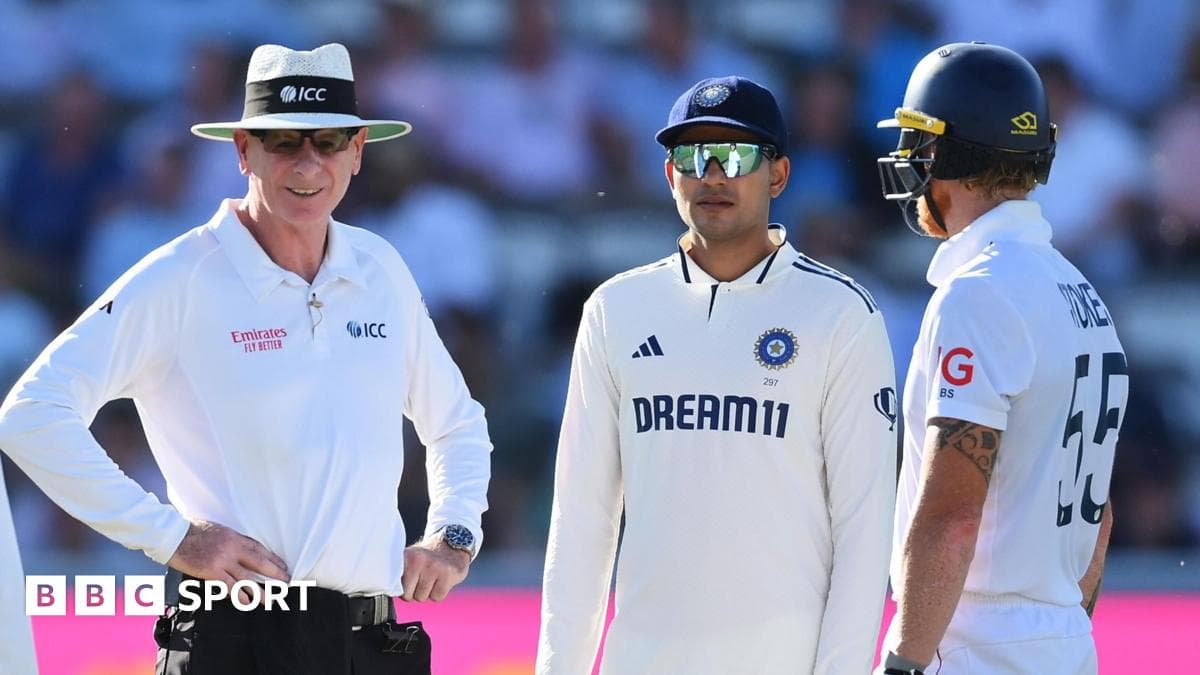
The grandest format of the game, Test cricket, continues to captivate purists and new fans alike with its ebb and flow, its tactical battles, and its ultimate test of skill and endurance. However, a growing frustration among spectators and broadcasters, particularly evident during recent high-profile encounters like the England-India Test series, is the persistent issue of slow over-rates. What should be 90 overs a day often dwindles to 80 or even fewer, leaving fans short-changed and fundamentally altering the rhythm and potential outcome of a five-day contest. This isn't merely a trivial annoyance; it's a structural problem that impacts the spectacle, the commercial viability, and the very integrity of the sport.
The implications of sluggish play extend far beyond just lost overs. For those attending matches, extended lulls between deliveries, excessive field changes, and frequent consultations disrupt the flow and energy of the game, making it harder to stay engaged. Television audiences suffer similarly, with commentators often left to fill dead air and key passages of play feeling disjointed. More critically, the cumulative effect of slow over-rates can significantly impact the result of a match. Fewer overs mean less time for bowlers to take 20 wickets, increasing the likelihood of a draw even when one team has dominated. Common culprits include batsmen taking an age to be ready, bowlers lingering at the top of their mark, constant changes of gloves or bats, and prolonged discussions among players and with umpires. The advent of DRS, while improving accuracy, has also added further pauses to the game, contributing to the overall slowdown.
The International Cricket Council (ICC) has long had regulations in place to address slow over-rates, primarily through financial penalties for captains and demerit points that can lead to suspensions. Yet, the recurring nature of the problem, especially in high-stakes series, suggests these measures are insufficient deterrents. Captains, often preoccupied with tactical nuances and the immense pressure of leading their country, appear willing to absorb fines or even suspensions if it means gaining a perceived strategic advantage through extended discussions or tactical delays. This indicates a need for more immediate, in-game sanctions that directly impact the match and compel teams to maintain a brisk pace.
Addressing this deep-seated issue requires a multi-pronged approach that goes beyond mere fines. One compelling solution could be the introduction of time limits for various actions – perhaps a 60-second countdown for batsmen to be ready after the previous ball, or a stricter time limit for bowlers to begin their run-up. Umpires must be empowered to enforce these limits with immediate in-game penalties, such as five-run sanctions for persistent breaches, similar to penalties seen in other sports. Furthermore, the use of technology, like a visible shot clock on stadium screens and TV broadcasts, could heighten awareness and pressure on players. Accountability must also extend to the players themselves; perhaps a portion of their match fees should be tied to maintaining adequate over-rates, fostering a collective responsibility within the team. The ICC could also explore reducing the number of permissible DRS reviews or imposing a strict time limit for the review process itself, preventing tactical delays.
SEO Keywords:
Ultimatelythe onus lies on cricket's governing bodiesmatch officialsand the players themselves to acknowledge the detrimental impact of slow play on Test cricket's appeal. The long-term health of the format depends on maintaining its integrity as a compellingflowing contest. By implementing strictermore immediate sanctions and fostering a culture
Source: yahoo