More Ball Games: Can changing prohibitive signs help make the UK more active?
Published on Thursday, 17 July 2025 at 5:29 pm
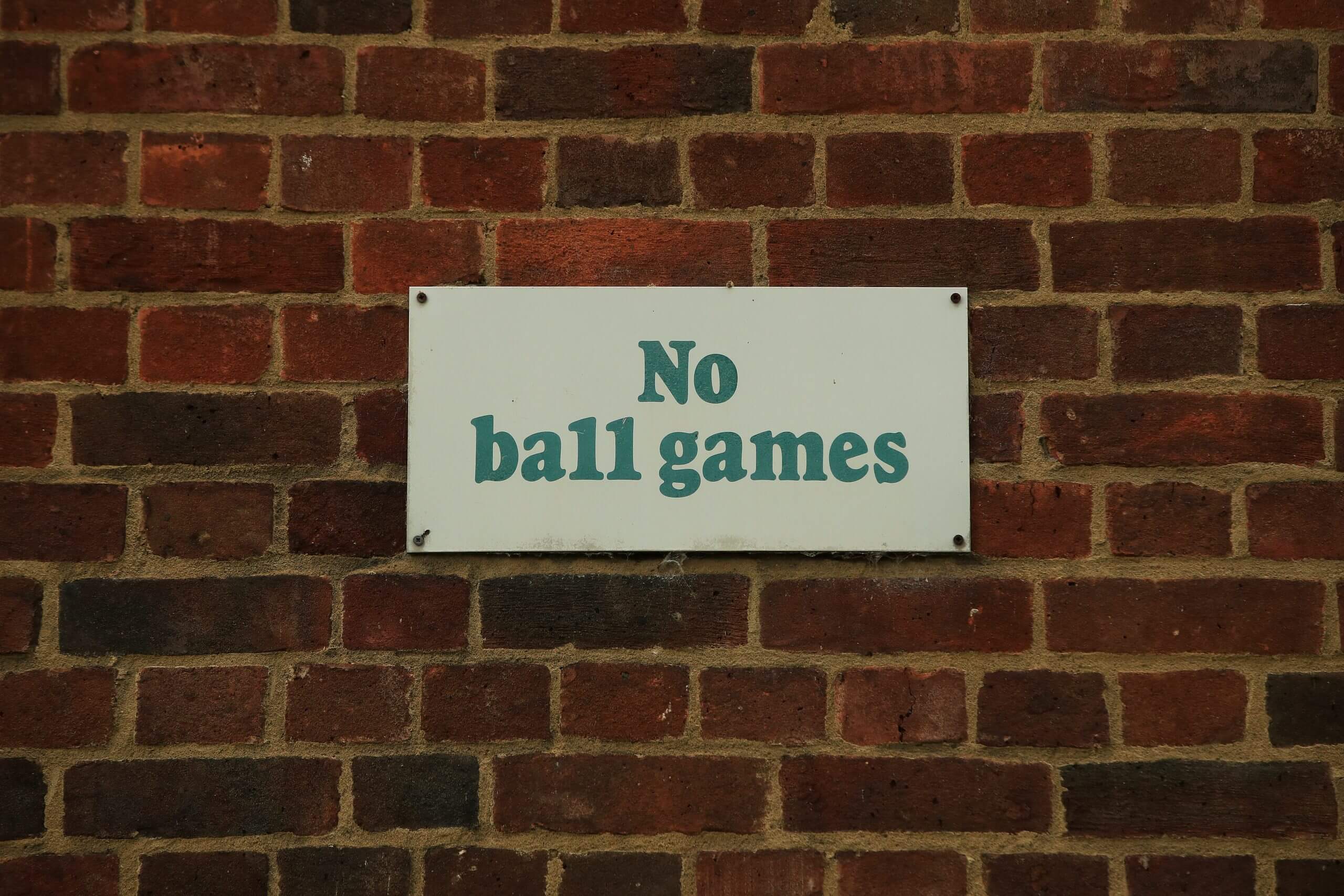
Across the United Kingdom, a familiar sight often greets aspiring young athletes and casual kickabouts alike: the ubiquitous "No Ball Games" sign. These stark warnings, often affixed to park gates, housing estate walls, or communal green spaces, have long been an accepted part of the urban landscape. However, a growing movement is challenging this prohibitive mindset, spearheaded by the charity London Sport, which is calling for a fundamental re-evaluation and removal of these barriers to play, urging policymakers to reimagine public spaces as vibrant hubs for activity rather than zones of restriction.
The impact of these seemingly innocuous signs is far more profound than simply preventing a spontaneous game of football. They contribute to a culture of inactivity, particularly among children and young people, at a time when physical activity levels are alarmingly low and childhood obesity rates continue to climb. For generations, the street or local park was the natural arena for developing fundamental movement skills, fostering teamwork, and building confidence through unstructured play. The proliferation of "No Ball Games" signs, often driven by concerns over noise, damage, or perceived nuisance, has systematically eroded these informal opportunities, pushing children indoors or onto highly structured, often costly, organised sports programmes. This not only stifles natural athletic development but also disproportionately affects communities with limited access to dedicated sports facilities.
London Sport’s vision extends far beyond simply taking down a few metal plates. It advocates for a comprehensive shift in how public spaces are designed, managed, and perceived. This means moving away from a default of prohibition towards one of promotion and enablement. Imagine multi-use games areas (MUGAs) seamlessly integrated into residential zones, green spaces designed with flexible, robust surfaces that encourage spontaneous play, and community engagement initiatives that empower residents to co-create active environments. Such an approach would require collaborative efforts from local authorities, urban planners, housing associations, and residents themselves, ensuring that newly liberated spaces are safe, inclusive, and genuinely conducive to a wide array of physical activities, from informal cricket to energetic tag games.
Embracing this transformative approach promises significant dividends for public health, community cohesion, and the future of UK sport. Increased opportunities for casual play can dramatically boost daily physical activity levels, contributing to improved cardiovascular health, stronger bones, and better mental well-being. Furthermore, these informal settings are often where raw talent is first discovered, where children develop a love for movement, and where lifelong habits of activity are forged, laying the groundwork for a healthier, more active nation. By fostering environments where play is encouraged, not forbidden, the UK can unlock the latent potential within its communities, creating a generation that is not only fitter but also more connected and resilient. The challenge now lies with policymakers to heed this call, to dismantle the physical and cultural barriers to play, and to invest in a future where active lifestyles are the norm, not the exception.
SEO Keywords:
UK sports policygrassroots sports UKpublic space sportschild physical activity UKcommunity sports facilitiesurban sports developmentLondon Sport initiativesactive lifestyles UKyouth sports participationplayground access UKsports infrastructurehealth and fitness UK
Source: theathleticuk