How clubs recruit new managers: Data analysis, recruitment consultants or old-school word of mouth?
Published on Sunday, 15 February 2026 at 5:12 pm
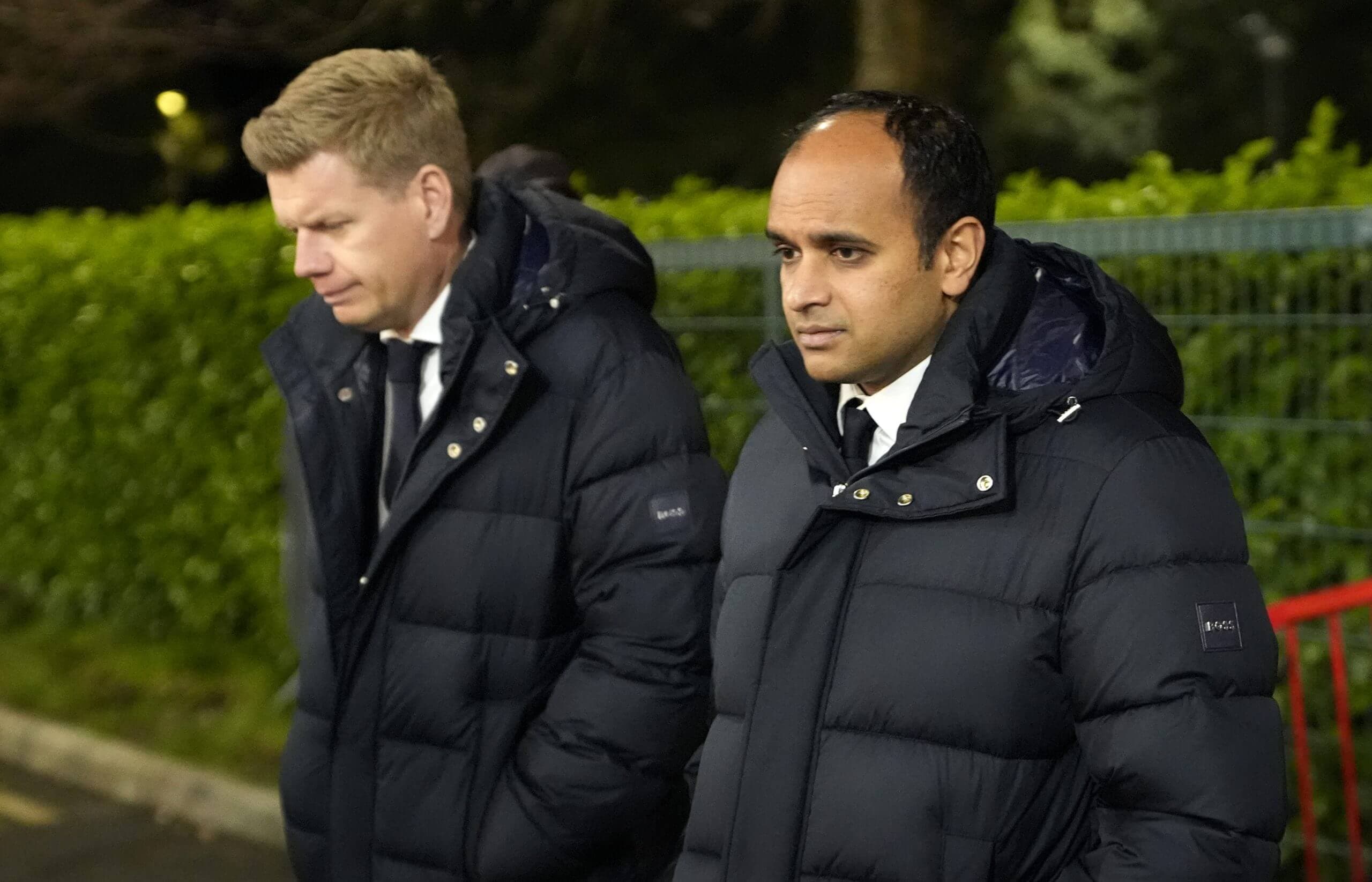
When Tottenham Hotspur’s sporting director Johan Lange and chief executive Vinai Venkatesham sit down to choose a permanent successor to Thomas Frank, they will confront the question that has tormented every boardroom in the country: how do you hire a manager who will not be out of work inside twelve months?
With 31 managerial changes recorded across the 92 Premier League and EFL clubs before the turn of the year, and 48 of the current incumbents in post for less than a year, the failure rate is impossible to ignore. The answer, increasingly, depends on which club you ask.
Liverpool’s owners thought they had cracked the code when they discovered the data profile that once flagged Jürgen Klopp. In 2015 the club’s research department ignored Dortmund’s sliding league position and focused on underlying numbers that showed Klopp’s side remained the second-best team in Germany on expected goals, pressing intensity and squad health. The same model resurfaced last spring when a fresh trawl of Europe’s coaches identified Feyenoord’s Arne Slot as the closest statistical match to Klopp’s high-energy blueprint. Fitness records, player-improvement indices and fan-connection metrics all pointed to the Dutchman.
Brighton owner-chairman Tony Bloom has taken the idea a stage further. The moment a new head coach is appointed, Bloom commissions a rolling shortlist of replacements, tracked quarterly for performance trends, injury prevention, youth development and eventual compensation cost. The Seagulls’ reputation for selling players at huge profit is underpinned by the same relentless data monitoring applied to coaches.
Yet numbers only tell part of the story. When Brentford lost Frank to Spurs last summer, director of football Phil Giles promoted set-piece specialist Keith Andrews because, in his words, “I know how good Keith is.” Continuity, personality and institutional knowledge trumped an open market search.
Manchester United discovered the limits of a purely algorithmic approach after compiling a six-man shortlist last autumn based on attacking 4-3-3 metrics, Premier League experience and out-of-possession structure. Ruben Amorim’s name was nowhere on the spreadsheet, but the 39-year-old kept reappearing in agent and player conversations. United eventually abandoned the model and hired the Sporting CP coach on word-of-mouth conviction.
Word of mouth remains the oldest scout in football. Clubs canvage former players, back-room staff and even rival executives for anecdotes about how candidates handle pressure, owners and dressing-room politics. The process is informal, time-consuming and impossible to quantify, yet many chairmen still trust a phone call more than a regression model.
Millwall formalised the informal by engaging TransferRoom’s recruitment platform to filter managerial profiles before appointing Alex Neil in December. Elsewhere, specialist head-hunting agencies and data-driven consultancies now pitch for business at every level, though their fees can be prohibitive for League One and Two budgets.
Rotherham United’s head of recruitment Rob Scott admits the club’s financial position dictated strategy when replacing Paul Warne in 2022. “We couldn’t afford a Championship retread, so we analysed the two best-performing squads in the league below and came up with Matt Taylor and Mark Bonner. We took Taylor because the data said he over-performed with a small budget. It didn’t work in the Championship, but the process was sound.”
Circumstance can override every spreadsheet. Port Vale director of football David Flitcroft sought a “hearts-and-minds” appointment when the club sat 16th in League Two and heading for relegation. Darrell Clarke’s charisma arrested the slide; once Vale stabilised, the brief flipped to development-focused Andy Crosby to align with academy output. When relegation loomed again, Crosby gave way to promotion specialist Darren Moore inside two years.
The churn highlights a structural flaw in English football, Scott argues. “Sporting directors aren’t accountable here the way they are in Germany or Holland. The manager holds all the power, so if you get the appointment wrong there is no safety net.”
With clubs demanding tactical expertise, media savvy, youth development, sports-science literacy and upward-management skills, the modern manager must be part coach, part CEO. Whether the next vacancy is filled by an algorithm, a head-hunter or a phone call from an old team-mate, the stakes are identical: choose wrongly and another vacancy is only a run of bad results away.
SEO keywords:
SEO Keywords:
Manchester Unitedfootball manager recruitmenthead coach data analysissporting director strategyPremier League sackingsArne Slot LiverpoolBrighton succession planRuben Amorim Manchester Unitedword of mouth hiringTransferRoom Millwalllower league budgetsRob Scott RotherhamThomas Frank Tottenham
Source: theathleticuk