
USC Trojans Preparing To Pay Student-Athletes Under NCAA Settlement
Published on Friday, 11 July 2025 at 3:00 pm
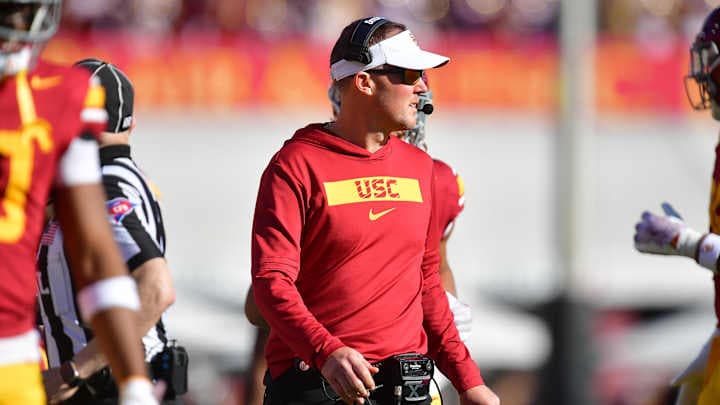
A seismic shift is underway in the landscape of collegiate athletics, and the University of Southern California appears poised to lead the charge into this unprecedented new era. Following the landmark NCAA House v. NCAA antitrust settlement, which paves the way for direct compensation to student-athletes, institutions across the nation are grappling with the ramifications. USC, with its rich athletic tradition, substantial financial resources, and recent move to the commercially powerful Big Ten Conference, is reportedly among the most proactive in preparing to implement the new financial model. This isn't merely an adjustment; it represents a fundamental redefinition of the student-athlete concept, moving decisively beyond the long-held amateurism principle that has governed college sports for over a century.
For decades, the debate surrounding player compensation simmered, occasionally boiling over, but always constrained by NCAA regulations. The advent of Name, Image, and Likeness (NIL) opportunities was the first crack in that foundation, allowing athletes to monetize their personal brands. However, the recent settlement takes a far more direct approach, establishing a framework for schools to share revenue directly with their athletes, potentially backdated to 2016. For a high-profile program like USC, which consistently competes for national championships in football, basketball, and other sports, the ability to offer direct payments alongside NIL deals and scholarships will be a powerful recruiting tool. The Trojans are already accustomed to attracting top-tier talent, and this new financial incentive could further solidify their position as a destination for elite athletes seeking both competitive excellence and significant financial opportunity.
The implications for student-athletes at USC are profound. Beyond the existing benefits of scholarships, world-class facilities, and professional development, they now stand to receive direct financial compensation, effectively transforming them into compensated employees, albeit with an educational component. This shift will likely impact not only the recruitment of high school prospects but also the retention of current roster talent, potentially reducing the appeal of the transfer portal for athletes who are well-compensated and thriving within the USC system. The university’s strategic challenge will be to establish a fair and sustainable compensation structure that balances competitive needs across multiple sports with financial prudence, all while navigating the evolving legal and regulatory landscape. How these funds are distributed – whether through direct payments, revenue-sharing agreements, or a combination – will be critical in shaping the future competitive balance within the athletic department.
This move by USC, and others soon to follow, signals the dawn of a new competitive paradigm in college sports. The era of "amateurism" is definitively over, replaced by a system that more closely resembles professional sports leagues, albeit with unique collegiate characteristics. Questions of Title IX compliance, the allocation of funds across revenue-generating and non-revenue-generating sports, and the long-term financial sustainability for institutions will dominate discussions for years to come. USC’s proactive stance positions them not just as a participant, but potentially as a standard-bearer in this new model. Their implementation strategy will be closely watched by rival schools, particularly those in the Big Ten and SEC, as the entire ecosystem of college athletics recalibrates. The Trojans are not merely preparing to pay; they are preparing to redefine what it means to be a college athlete at the highest level.
SEO Keywords:
USC student-athlete compensationNCAA settlement impactcollege sports financial modelUSC athletics direct payHouse v. NCAA rulingBig Ten athletics changesNIL era evolutioncollege football recruitingstudent athlete revenue sharingfuture of college sportsNCAA amateurism endUSC Trojans sports finance
Source: si


