India, Pakistan, Bangladesh and the political tensions undermining cricket's T20 World Cup
Published on Sunday, 8 February 2026 at 8:36 pm
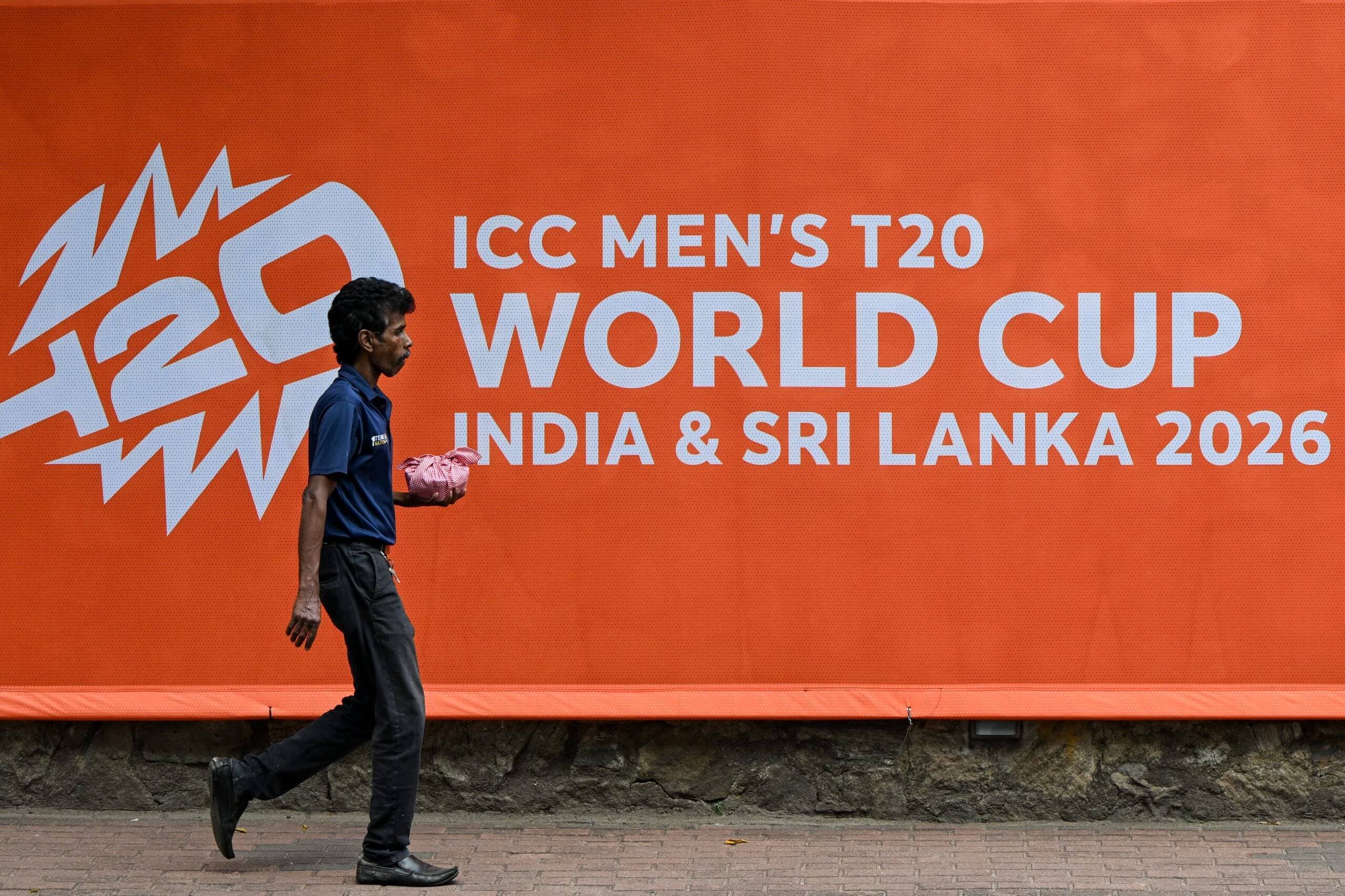
The men’s Twenty20 World Cup was meant to showcase cricket at its most exuberant: three matches a day, boundary-clearing power, and the old rivalries that turn every delivery into national theatre. Instead, the tournament has begun under the cloud of a geopolitical storm that has already removed one full member nation and threatens to erase the sport’s most lucrative contest.
Bangladesh, the world’s eighth-most populous country and a fixture in every recent global event, withdrew at the eleventh hour after the Bangladesh Cricket Board cited “growing concerns regarding the safety and security of the Bangladesh contingent in India.” The International Cricket Council investigated and concluded “there was no credible or verifiable security threat,” but Bangladesh refused to travel. Scotland replaced them, forcing a hasty redraw of the group phase.
Within days, Pakistan announced it would boycott its scheduled February 15 clash against India in Colombo, a fixture the Times of India values at US $250 million in broadcast and commercial revenue. Every Pakistan game had already been relocated to Sri Lanka because the team will not enter India; now the marquee encounter will not take place at all. Prime Minister Shehbaz Sharif framed the decision as “a clear stand” of solidarity with Bangladesh, adding: “There should be no politics in sport.” Yet politics has been inseparable from sub-continental cricket since the partition of British India in 1947.
India and Pakistan have fought multiple wars and a fresh four-day military engagement erupted in April 2025 after a militant attack in Indian-administered Kashmir killed 26 civilians. Bilateral cricket has been frozen since 2013; India has not toured Pakistan since 2008. When Pakistan staged the 2025 ICC Champions Trophy, India’s matches were shifted to Dubai. Now the reverse has occurred: Pakistan will not set foot in India, and the World Cup forfeits its showpiece.
The Bangladesh impasse is rooted in more recent upheaval. After Sheikh Hasina—long an Indian ally—was ousted in 2024 and fled to Delhi, relations between Dhaka and New Delhi soured. Reports of attacks on Hindu minorities inside Bangladesh, including the mob lynching of garment worker Dipu Chandra Das in December, intensified diplomatic friction. Cricket became collateral damage: Bangladesh’s only IPL representative, pace bowler Mustafizur Rahman, was released by Kolkata Knight Riders last month “on instruction of the Board of Control for Cricket in India,” according to the franchise. Bangladesh’s interim government retaliated by ordering domestic broadcasters to black out the forthcoming IPL season. Pakistani players, already frozen out of the IPL since the 2008 Mumbai attacks, remain barred.
The economic stakes are immense. India generates an estimated 80 per cent of cricket’s global income and receives nearly 40 per cent of ICC distributions, a model that concentrates power inside the BCCI. With JioStar, India’s rights holder, already seeking to renegotiate its US $3 billion ICC deal after financial losses, the absence of an India-Pakistan encounter could not come at a worse moment for the governing body. The 2019 World Cup meeting between the neighbours drew 273 million television viewers and another 50 million digitally; broadcasters had banked on a repeat.
History shows the ICC has previously tolerated political boycotts: Australia and West Indies forfeited 1996 World Cup games in Sri Lanka, and England refused to play Zimbabwe in 2003. Yet those precedents offer little comfort to tournament organisers now scrambling to preserve credibility. An automatic group-stage win for India via forfeit may aid their title hopes, but it hollows out the competition’s integrity.
As 20 teams compete in the sport’s most profitable format, the narrative should have been about emerging talents and fearless stroke-play. Instead, the early headlines belong to cancelled flights, cancelled fixtures and the unmistakable sense that, on the Indian sub-continent, cricket can no longer escape the politics that surrounds it.
SEO Keywords:
cricketT20 World Cup politicsIndia Pakistan cricket boycottBangladesh withdrawalICC revenue lossSouth Asia cricket tensionsgeopolitics in cricketBangladesh security concernsIndia Pakistan cricket rivalrycricket diplomacyBCCI influence
Source: theathleticuk