How Liverpool can help nurse players through their grief
Published on Wednesday, 9 July 2025 at 6:39 pm
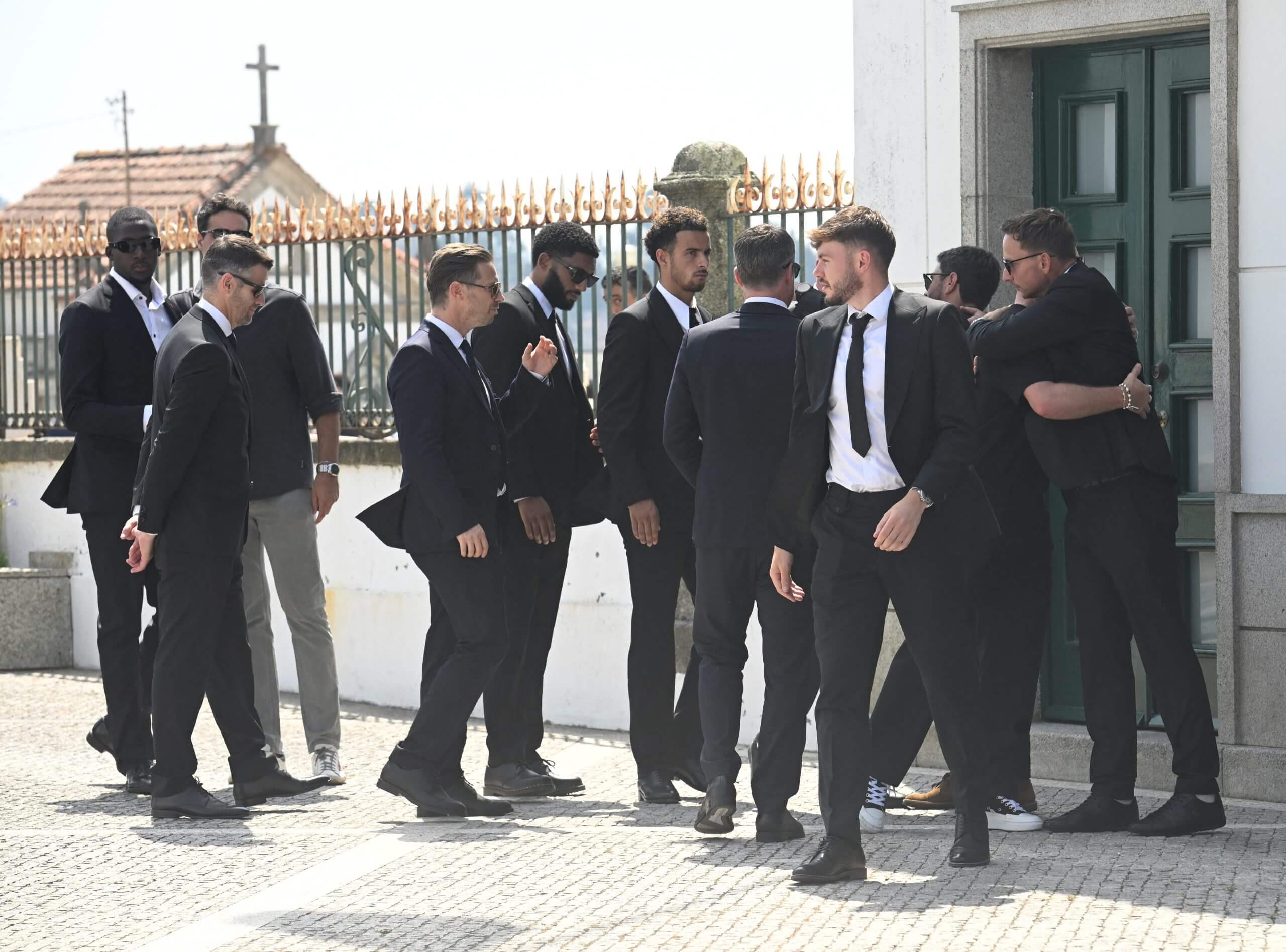
The world of professional football often appears impervious to the everyday vulnerabilities that afflict us all. Athletes are presented as titans, physically robust and mentally unshakeable, but beneath the surface of multi-million-pound contracts and global adulation lies the very human core of individuals susceptible to profound emotional pain. In the wake of the devastating news concerning Diogo Jota’s tragic death, Liverpool Football Club faces an immense challenge that transcends tactics and league positions: how to sensitively and effectively support its grieving players and staff through an unimaginable period of loss.
This isn't merely about managing a dip in performance; it's about safeguarding the mental and emotional well-being of a tight-knit squad. The shared experience of intense training, high-stakes competition, and communal living often forges bonds akin to family within a football club. The loss of a teammate, particularly under such tragic circumstances, can reverberate through the entire organization, affecting not just close friends but every individual who shared the pitch, the dressing room, or even just a passing smile with the departed. The immediate shock can manifest as numbness, anger, or deep sadness, potentially impacting focus, sleep, and physical health – all critical components of an elite athlete’s toolkit.
Recognizing the multifaceted nature of grief, Liverpool is fortunate to have access to a network of experts, including seasoned sports psychologist Lee Richardson. Richardson, known for his work in high-performance environments, is one of several specialists the club can lean on to navigate this delicate period. His role, and that of his colleagues, extends far beyond simple counseling. It involves creating a safe space for players to express their emotions without fear of judgment, providing strategies for coping with overwhelming feelings, and helping to process the trauma of loss. This could involve individual therapy sessions, facilitating group discussions where players can share their experiences, or even advising coaching staff on how to adapt training schedules and expectations to accommodate the emotional bandwidth of the squad. The aim is not to "fix" the grief, but to provide tools and support for players to move through it, acknowledging that healing is a non-linear process.
Beyond the structured psychological support, the club's holistic approach will be paramount. This includes ensuring that players have access to their own personal support networks, whether family or close friends, and facilitating those connections. The medical and welfare teams will monitor players for signs of acute stress or depression, offering immediate intervention if needed. Managers and senior players will also play a crucial role in fostering an environment of empathy and understanding, reminding everyone that while the game continues, the human element takes precedence. There will be no quick fixes, and the club must prepare for a sustained period of support, understanding that grief can resurface unexpectedly. The return to competitive action, while perhaps offering a temporary distraction, will also bring its own set of challenges, as players grapple with performing under the weight of their sorrow.
Ultimately, Liverpool’s response to this profound tragedy will serve as a testament to its values. It’s a moment where the club’s commitment to its players as individuals, not just assets, is truly tested. By providing comprehensive psychological, emotional, and practical support, Liverpool can help its players navigate the darkest of times, nurturing them through their grief and demonstrating that even in the face of unbearable loss, they are part of a compassionate and resilient community. The focus will be on healing, remembrance, and the slow, arduous journey back to a semblance of normalcy, both on and off the pitch.
SEO Keywords:
sports psychologyplayer welfareathlete mental healthgrief supportfootball club managementteam resiliencesports psychologistprofessional athlete well-beingcrisis management in sportLiverpool FC supportemotional intelligence in sportplayer care
Source: theathleticuk