
Georgia Closes NIL Collective Amid Revenue Sharing Shift, Signaling New Era for College Sports
Published on Tuesday, 1 July 2025 at 8:24 am
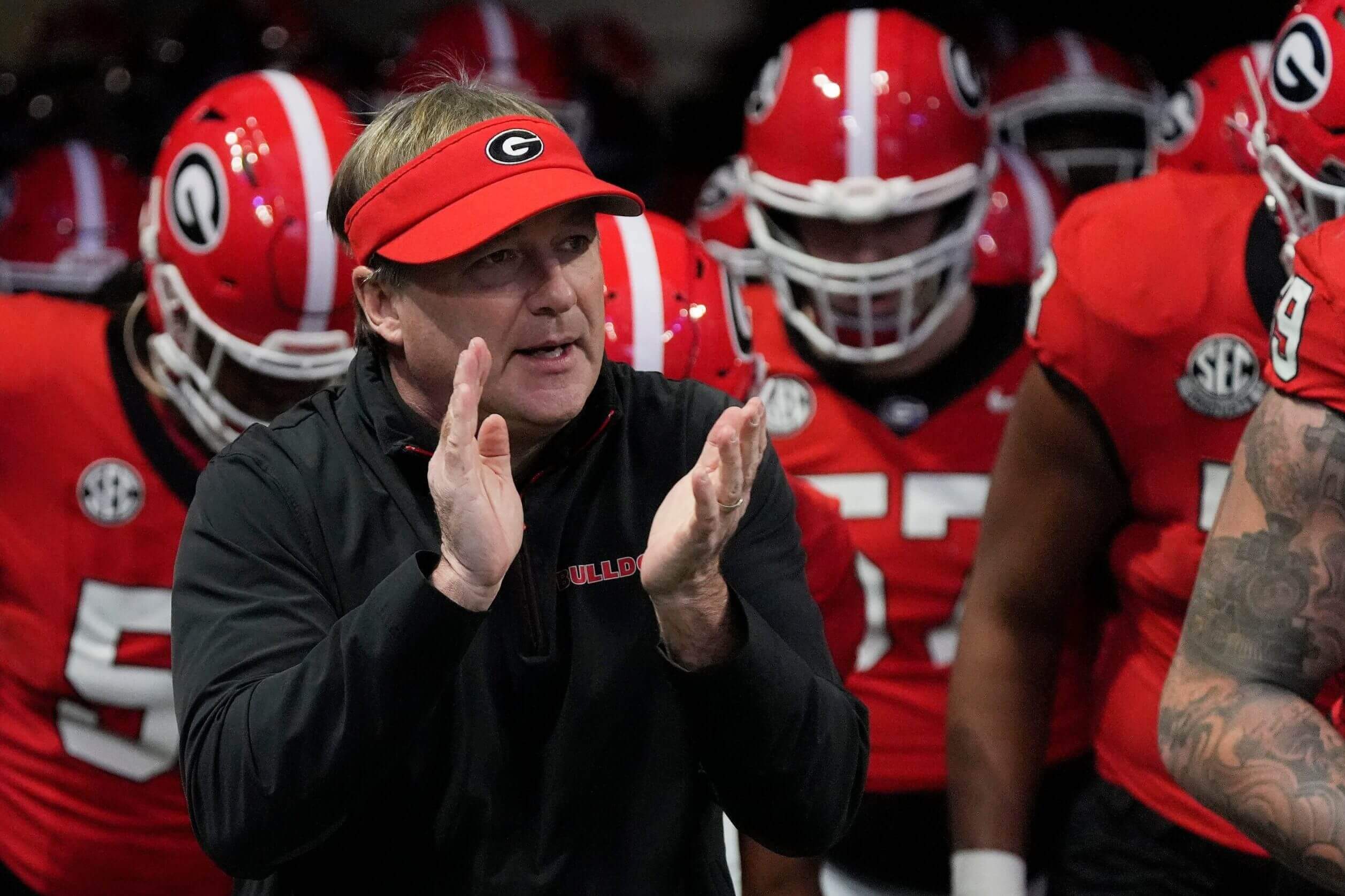
The landscape of college athletics is undergoing its most significant transformation in decades, and the University of Georgia is at the forefront of this seismic shift. Effective Tuesday, coinciding with the implementation of the landmark House settlement, Georgia's primary Name, Image, and Likeness (NIL) collective, Classic City Collective, is ceasing operations. This decisive move by one of college football's most dominant programs isn't merely an isolated incident; it's a powerful indicator of how schools are preparing for a new era where direct revenue sharing with athletes will become the norm, potentially reshaping the very fabric of collegiate sports.
For the past few years, NIL collectives have served as the primary conduit for booster and fan contributions, pooling funds to compensate athletes for their NIL rights. Classic City Collective played a crucial role in Georgia's recent championship successes, helping attract and retain top talent. However, with the NCAA's recent House settlement introducing a framework for schools to directly pay athletes through a revenue-sharing model – a system that could see institutions allocate up to $20 million annually to their athletes – the traditional role of these independent collectives is rapidly diminishing. Georgia's decision signifies a strategic pivot: the university itself will now likely assume the responsibility of athlete compensation, integrating it directly into the athletic department's budget and operations. This "new plan" streamlines the process, bringing athlete payments in-house and under the direct purview of the institution, a model many anticipate will become the standard across the Power Four conferences.
The implications extend far beyond Athens. As the House settlement goes into effect, other major programs are expected to follow Georgia's lead, either significantly scaling back or entirely disbanding their NIL collectives. This transition marks a fundamental shift from a largely unregulated, third-party driven NIL market to a more formalized, institution-led compensation structure. While boosters will undoubtedly continue to play a vital role in athletic department fundraising, their direct involvement in athlete payments is set to diminish. This professionalization of college athletics means universities will assume greater financial responsibility for their athletes, akin to professional sports organizations. It raises questions about budget allocations, competitive balance, and the long-term sustainability of various athletic programs. The days of collectives operating as quasi-independent entities may soon be a relic of a bygone era, replaced by a system that more closely resembles employee-employer relationships, setting a precedent that could define college sports for generations to come.
SEO Keywords:
NCAA House settlementcollege sports revenue sharingGeorgia NIL collective closureathlete compensation college sportsfuture of college athleticsNCAA rule changescollege football NILdirect athlete paymentsClassic City Collectivecollege recruiting impact
Source: theathleticuk

