Explained: Why England will not take a knee before Euros semi-final after racial abuse of Jess Carter
Published on Monday, 21 July 2025 at 5:16 pm
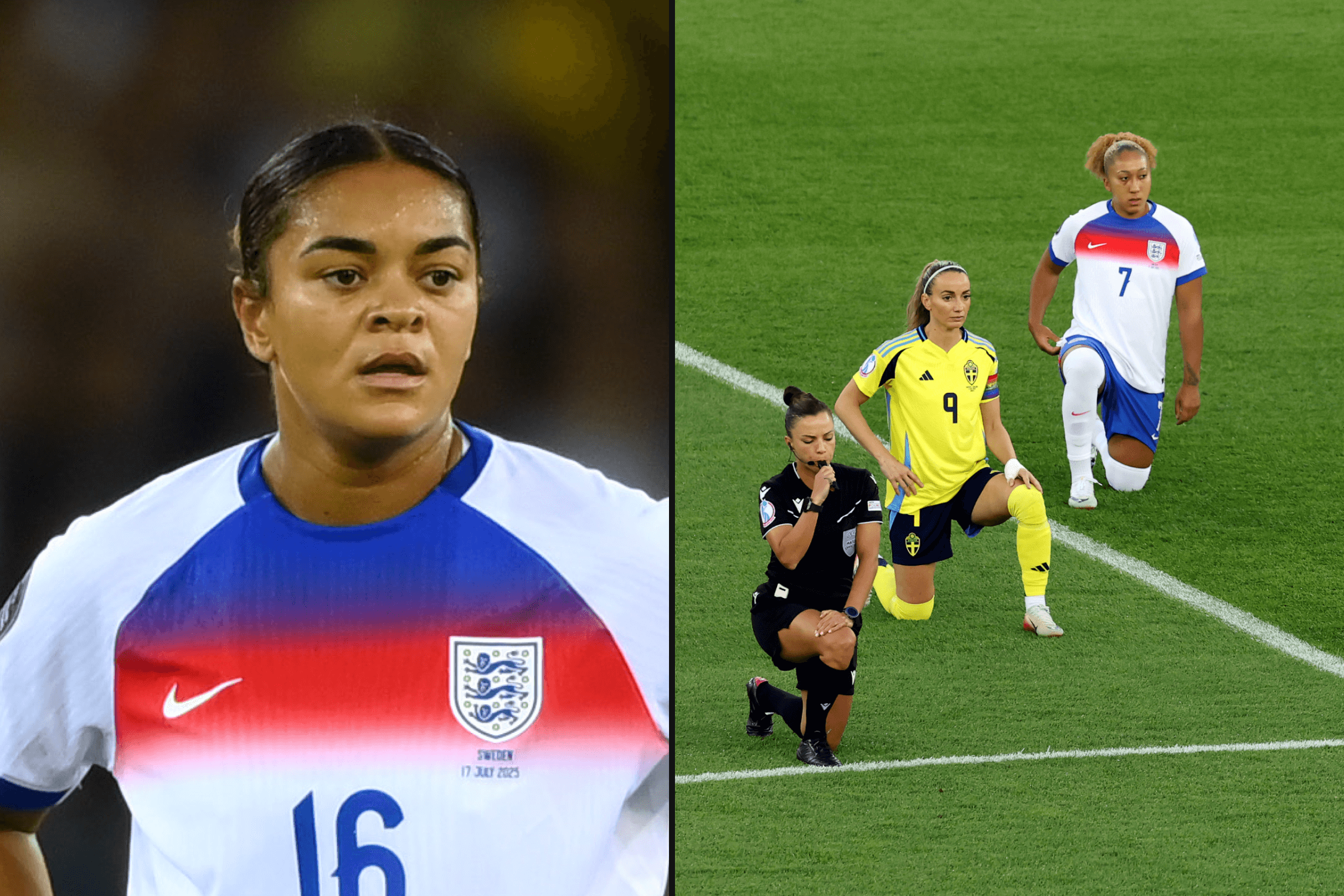
As England’s Lionesses prepare for their crucial Euros semi-final clash, a significant shift in their pre-match routine has emerged, drawing attention away from the tactical battle ahead to a more profound issue. The team will reportedly not take a knee before kick-off, a gesture that has become synonymous with the fight against racial injustice in sport. This decision comes in the wake of abhorrent racial abuse directed at defender Jess Carter, prompting a nuanced response from the Football Association and the player herself.
The catalyst for this development was the vile online abuse suffered by Jess Carter. In a distressing incident that underscores the pervasive nature of online hatred, Carter was subjected to a torrent of racist remarks. The Football Association has confirmed it has taken swift and decisive action, contacting UK police to investigate the abuse and bring the perpetrators to justice. This immediate escalation to law enforcement highlights the FA's firm stance against such acts and their commitment to player welfare. For Carter, the personal toll has been immense, leading her to make the difficult but understandable decision to step back from social media, seeking a much-needed respite from the public eye and the toxicity it can sometimes harbour. Her choice reflects the severe psychological impact of online abuse on professional athletes, often unseen by fans.
The decision not to take a knee, while seemingly a deviation from a powerful anti-racism stance, is understood to be a deliberate and considered move. The gesture itself, popularised globally in recent years, aimed to raise awareness and condemn systemic racism. However, in this specific context, the FA and the team may be signalling a strategic pivot from symbolic gestures to more tangible actions. By involving the police and supporting Carter’s personal withdrawal from social media, the focus shifts to direct intervention and player protection. It could be interpreted as a collective statement that while awareness is crucial, the time for concrete legal and protective measures against racist abuse is now, particularly when a teammate has been directly targeted. This approach ensures that the energy is channelled into addressing the specific incident and safeguarding the individual, rather than a broad, often politicised, symbolic act.
This incident serves as a stark reminder of the persistent battle against racism and online abuse that continues to plague football, even at its highest levels. While the Lionesses remain intensely focused on their Euros aspirations, the backdrop of Jess Carter's ordeal and the team's response casts a long shadow, underscoring the human element of professional sport. It puts the onus on governing bodies, social media platforms, and law enforcement to collaborate more effectively in creating a safer environment for athletes. The FA's proactive engagement with the police, coupled with the team’s supportive stance for Carter, sets a precedent for how such incidents should be handled, prioritising player well-being and demanding accountability from those who perpetrate hate. Ultimately, the fight against racism in football requires both symbolic unity and decisive, actionable measures to protect its participants.
SEO Keywords:
England LionessesJess Carter abuseEuros semi-finalanti-racism footballFA police actiontaking a knee symbolismonline racial abusewomen's football racismLionesses Euros campaignplayer welfarefootball anti-discrimination
Source: theathleticuk