
European Super League: Project dies before ever taking flight as global backlash conquers breakaway league
Published on Thursday, 12 February 2026 at 1:48 pm
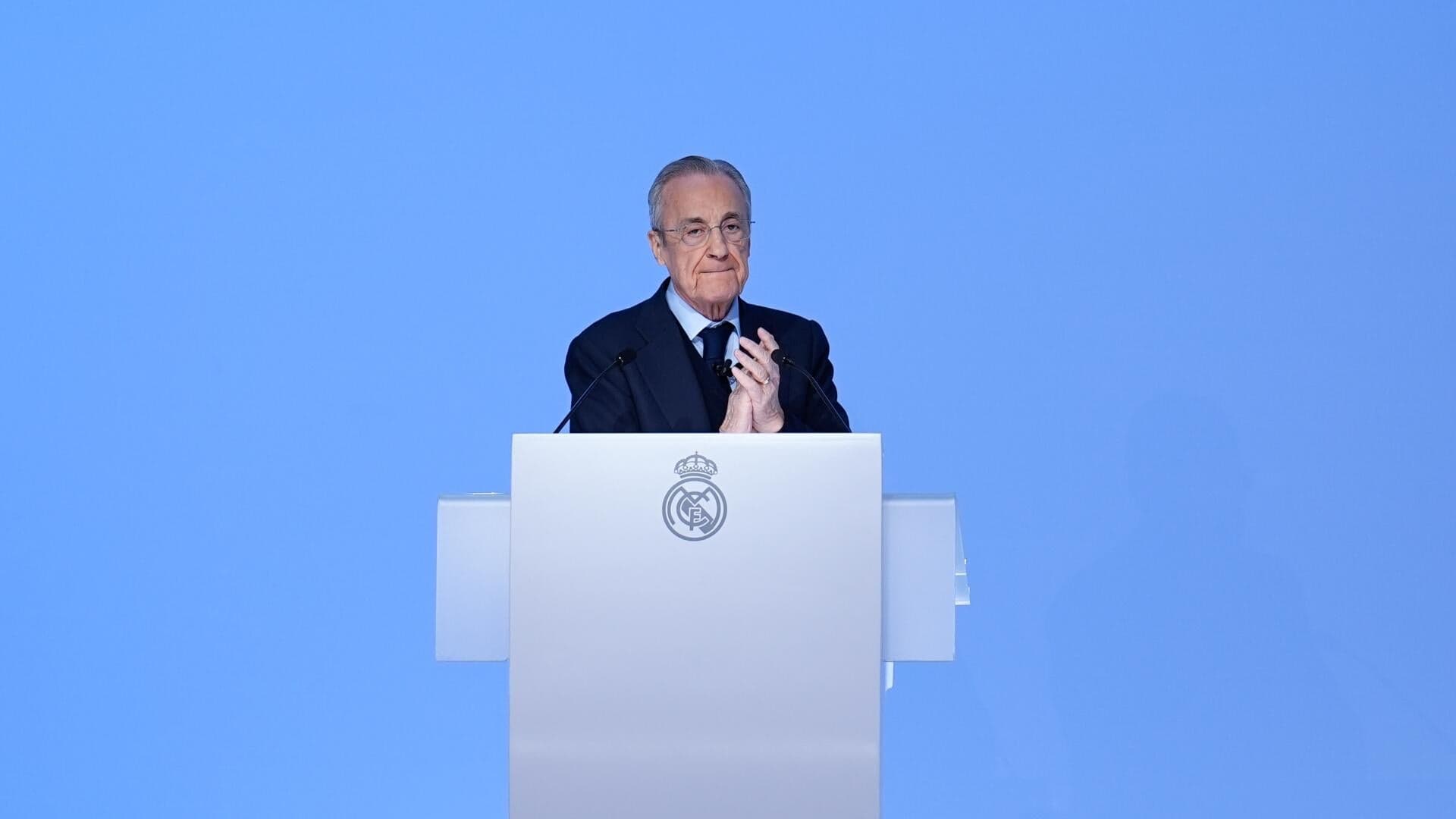
The notion of a European Super League was officially laid to rest this week after Real Madrid and UEFA jointly announced a comprehensive agreement that extinguishes any lingering hope of a breakaway competition, closing a turbulent five-year saga that once threatened to redraw the map of European club football.
Wednesday’s statement, released simultaneously by the European governing body, the European Football Clubs grouping, and Real Madrid, said the accord was “conducted in the best interests of European football” and committed all parties to “the principle of sporting merit,” long-term financial sustainability, and technology-driven fan engagement. The deal also settles the stack of legal actions that have hovered over the sport since the project’s dramatic unveiling in April 2021.
Conceived by a dozen of the continent’s heavyweight sides, the Super League promised guaranteed entry for its founding clubs and only a handful of rotating invitations for outsiders. The closed-shop model was pitched as a direct rival to the UEFA Champions League, offering clubs greater control over broadcast revenues and commercial rights. Yet the backlash was swift and ferocious: supporters, players, coaches and domestic leagues warned it would entrench inequality, devalue national competitions and sever the link between on-pitch performance and continental opportunity.
Within 48 hours of the initial announcement, Manchester City became the first club to formally withdraw, triggering an exodus that saw all six English participants abandon the scheme. Former Liverpool manager Jürgen Klopp captured the mood when he declared, “I hope this Super League will never happen,” adding that the existing Champions League already delivered the elite match-ups fans craved. Manchester United midfielder Bruno Fernandes amplified the resistance on social media, posting, “Dreams can’t be bought,” a sentiment echoed by protests outside stadiums such as Stamford Bridge, where Chelsea supporters gathered in force.
Paris Saint-Germain and Bayern Munich had refused to sign up from the outset, leaving Real Madrid president Florentino Pérez and then-Juventus chairman Andrea Agnelli as the project’s most prominent champions. Agnelli, who resigned from his role as head of the European Clubs Association the day the breakaway was announced, stepped down from Juventus in 2023, but Madrid continued to pursue the concept even after courts and regulators weighed in. A22 Sports Management, created to bankroll the league, floated relaunch proposals, and a December 2023 European Court of Justice opinion suggested UEFA’s blanket ban might clash with EU competition rules.
Yet the tide of public opinion never turned. Barcelona’s decision in February 2026 to renounce the project left Real Madrid isolated, and this week’s accord formalised what had long seemed inevitable: the Super League will not take to the pitch. Instead, Europe’s clubs will remain bound to the pyramid structure that rewards domestic success with Champions League places, preserving the meritocratic ideal that underpins the game.
European football’s establishment can now close the chapter on an idea that, for all its financial allure, proved unable to overcome the collective will of fans, players and governing bodies united against it.
SEO Keywords:
barcelonaEuropean Super LeagueReal MadridUEFAbreakaway leagueChampions LeagueFlorentino PérezAndrea AgnelliManchester CityJürgen Kloppfan protestssporting merit
Source: cbssports


