
Friendships harder to build in today's college game
Friday, 25 July 2025 at 4:16 am
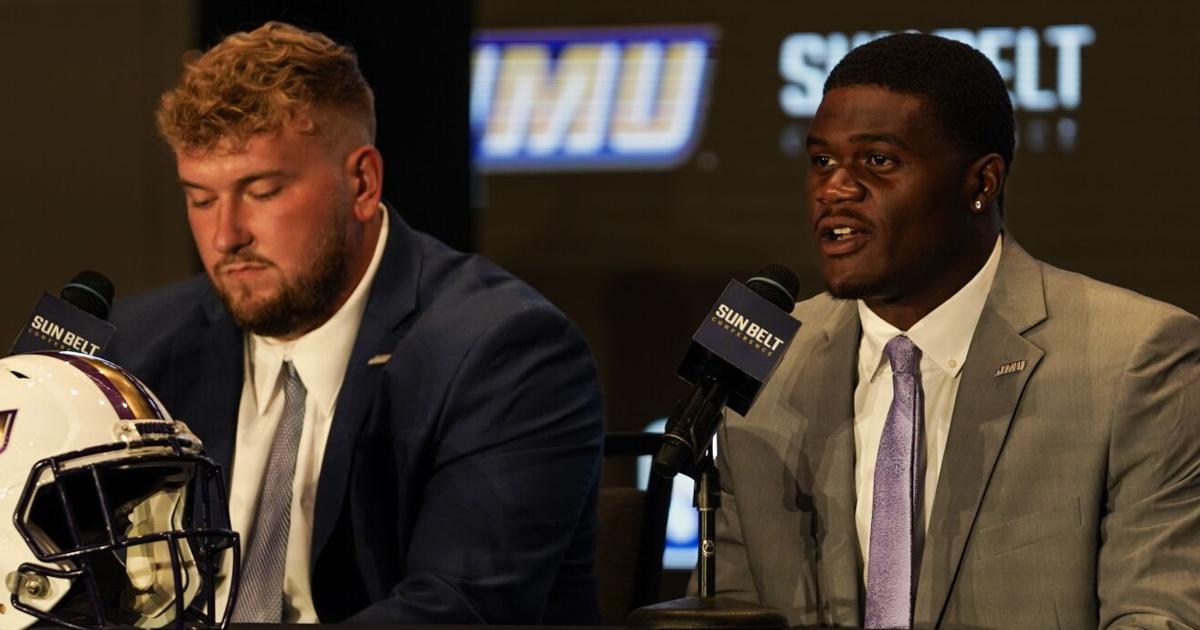
When Southern Mississippi linebacker Chris Jones sat on the main stage for the opening afternoon of Sun Belt Media Days, he didn't just discuss defensive schemes or championship aspirations. Instead, he set his focus on a deeply human element of college athletics, one often overshadowed by highlight reels and recruiting rankings: the evolving nature of player relationships. His candid observation resonated, tapping into a growing sentiment that the very fabric of team camaraderie is being stretched thin by the modern landscape of collegiate sports.
Jones's perspective isn't an isolated lament; it's a reflection of a seismic shift. The advent of the transfer portal, coupled with name, image, and likeness (NIL) opportunities, has fundamentally reshaped the pathways and permanence of a college athlete's journey. What was once a four or five-year commitment, fostering deep bonds forged through shared adversity and long-term goals, has become a more fluid, often transactional, environment. Players are now free agents, able to seek better opportunities or more lucrative deals with unprecedented ease. While empowering individuals, this newfound mobility inherently shortens the window for sustained relationships, making it challenging to cultivate the kind of enduring friendships that defined locker rooms of previous generations.
In this new paradigm, the sense of a cohesive unit built over years can be elusive. A freshman arriving on campus might find himself sharing a locker room with seniors who are already considering their next destination, or with new transfers who just arrived from rival programs. The constant churn means that just as players begin to understand each other's personalities, habits, and on-field tendencies, key components of the team might depart, necessitating a perpetual cycle of re-introductions and re-integration. This fluidity can impact everything from subtle on-field communication to the development of natural leadership within a team, as the shared history necessary for trust and accountability is continually reset.
The challenge extends beyond the locker room to the very identity of a program. Coaches, once focused primarily on scheme and development, now dedicate significant energy to managing roster turnover and fostering immediate chemistry among a group of athletes who may have very different reasons for being together. The traditional narrative of players growing together from raw recruits into seasoned veterans, forming bonds that last a lifetime, is becoming increasingly rare. Instead, teams are often a mosaic of transient talents, each with their own individual aspirations, making the collective pursuit of a championship a more complex psychological endeavor.
For the athletes themselves, this shifting dynamic can be emotionally taxing. Imagine dedicating years to a program, only to see close teammates depart, or to welcome new faces who may not fully grasp the team's established culture. The emotional investment required to form deep connections is high, and the potential for those connections to be severed unexpectedly can lead to a more guarded approach to relationships. While professional athletes have long navigated such changes, the collegiate experience traditionally offered a unique blend of amateurism's purity with the intensity of elite competition, allowing for a different kind of camaraderie to flourish.
Chris Jones's insight serves as a crucial reminder that beneath the statistics and spectacle, college sports is fundamentally a human enterprise. As the landscape continues to evolve, understanding and addressing these human elements – the struggle to build lasting friendships, the impact on team cohesion, and the psychological toll on players – will be vital for the well-being of the athletes and the long-term health of the game itself. The question isn't whether friendships can be built, but how deep and enduring they can be when the ground beneath them is constantly shifting.
SEO Keywords:
college footballtransfer portalNILcollege athleticsplayer relationshipsteam chemistrySun Belt Media DaysChris JonesSouthern Mississippimodern college sportsstudent-athlete experiencelocker room dynamics
Source: dnronline